
What is identity?
It is what is unique in us as people. Our beliefs, characteristics, cultural experiences, values, beliefs, traditions, ancestral practices, rituals, sense of belonging, family and social ties, and shared heritage defines us. Identity is even more relevant to us as Hindus in these modern, restless and transient times where we feel time is speeding up and we lose touch with our roots, which anchor us. We must never forget that we are the people who are the descendants of an unbroken and continuous lineage stretching back to the Vedic rishis thousands of years ago. Even historians cannot date our beginnings. Our roots are lost in the mists of time. Did we originate 3000 years ago as claimed by archeologists? Or even further back in time as reflected in our spiritual memory and sacred scriptures?
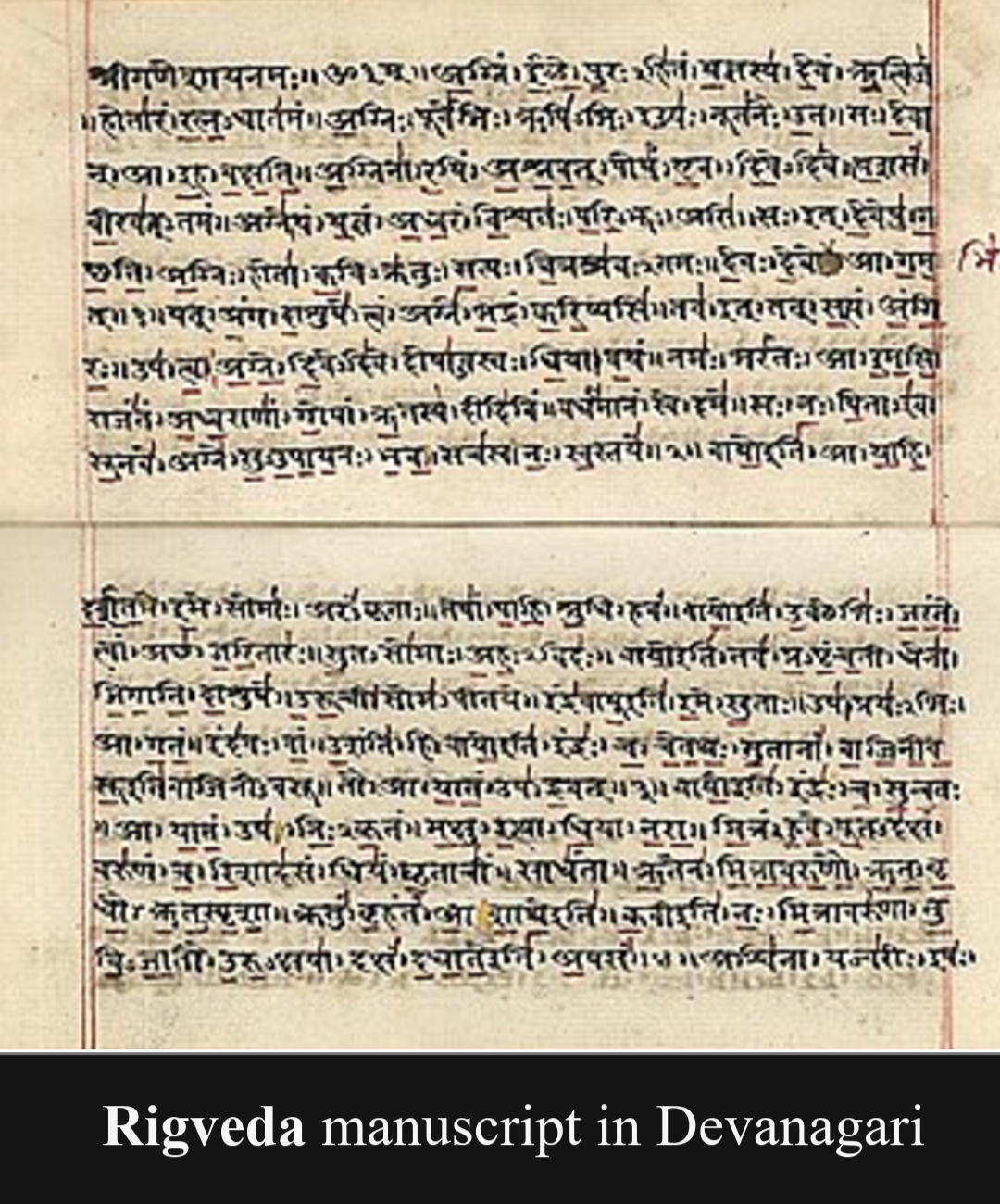
Our Hindu tradition describes the Vedas as eternal.
The Sanskrit word Sanātana is profound in meaning. This is the most crucial word in Hindu thought. We must reflect on it. It is derived from two roots namely sanā referring to ancient and perpetual and -tana meaning stretching, extending and continuing. Sanātana therefore means, “That which has existed from beginningless time and continues forever.” Sanātana evokes the feeling of timelessness. It is beyond beginning and beyond end. The word Dharma is deeply connected with Hinduism. It is a fundamental principle that guides Hindu life. It refers to righteous duty, moral law, and cosmic order, guiding individuals to live in harmony with themselves, others, and the eternal or Sanātana truth. Thus, Sanātana Dharma is the eternal law of the cosmos. Its source exists within the very structure of existence. This eternal knowledge was revealed to ancient rishis in deep meditation. This revealed knowledge is śruti and has been preserved in the Vedas.
Upholding Sanātana Dharma as a Hindu is considered important not just as a religious duty, but as a way of connecting with timeless truth, ancestral wisdom, and cosmic order. Upholding Sanātana Dharma maintains the link with one’s ancestors. Rituals, mantras, and festivals have preserved knowledge passed down for thousands of years. Modern Hindu saṁskāras (life-cycle rites like birth, marriage, death) are direct descendants of Vedic rituals as describe in the Vedas.
Who are we as Hindus?
In these times where scientific thinking predominates and other religious philosophies create doubt about our identity, it is important to reflect on the privilege of being born a Hindu. We are the people who have a continuous living link to our ancestors that goes back in time for thousands of years, if not more, in an unbroken bond. We are the heirs of profound knowledge and wisdom preserved in the Vedas and other great sacred texts that have been painstakingly transmitted by our ancestors. It is our duty to understand this eternal wisdom and to return to our Vedic roots. It is our responsibility to transmit our philosophy to our children to maintain continuity. No matter the times or places we live in, our shared Vedic mantras, Sanskrit prayers, and philosophical teachings will unite and strengthen us. Sanātan Dharma Ki Jay! Glory to the Eternal Dharma!
Dr Smita Goorah
Views: 9