

Public Hospital Crisis Deepens as Vascular Patients Face Uncertainty in Mauritius.
Patients suffering from severe vascular disease say they are being pushed into fear, debt and uncertainty as specialist services disappear from the public healthcare system.
PORT LOUIS, Mauritius —Fresh concerns are emerging over the state of Mauritius’ public healthcare system after patients and families sounded the alarm about the apparent collapse of vascular surgery services in state hospitals.The issue gained public attention following a widely shared social media appeal highlighting the plight of patients requiring urgent vascular treatment — procedures that can cost close to Rs 800,000 in private clinics, far beyond the reach of ordinary Mauritian families.
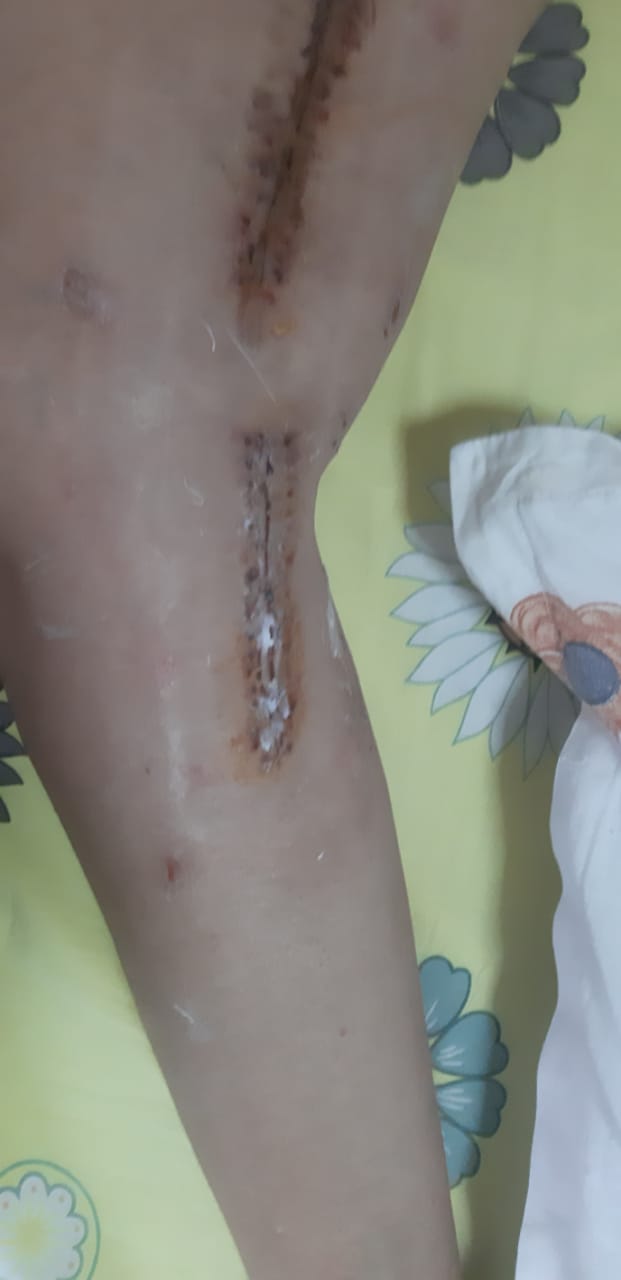
At the centre of the growing controversy is the case of Mrs Hema Sivathree, a bedridden widow who says she has undergone seven operations, accumulated major debt, lost her employment, and continues to struggle for medical assistance while depending solely on an invalid pension.Her story has become symbolic of what many patients describe as a deeper structural crisis within the public health sector.
According to documents and testimonies shared publicly, patients attending Jawaharlal Nehru Hospital in Rose-Belle were recently informed that vascular surgery consultations would no longer be available there following the departure of the SOLE vascular specialist from the public sector.The move has reportedly left many patients uncertain about their future treatment.A photograph of a hospital appointment slip circulating online appears to show patients being redirected under general surgical services instead of specialised vascular care.For families already dealing with blocked arteries, bypass procedures and risks of amputation, the uncertainty has generated deep anxiety.
Fears Over Loss of Specialist Care
Vascular disease involves the arteries and blood circulation system and often requires highly specialised surgical intervention.Patients and families are now openly questioning whether general surgery departments can adequately replace the expertise of a dedicated vascular surgeon.Mrs Sivathree said the situation has become frightening for vulnerable patients already battling chronic illness.
“What will happen to all the patients who were waiting under the vascular specialist?” she asked in a public statement. “Will proper treatment still be given? Will patients lose their legs?”
The concerns intensified after the resignation of the last remaining vascular surgeon serving the public healthcare system following the passing of another respected vascular specialist.
Patients are now demanding transparency from health authorities over why no replacement strategy appears to have been implemented despite the known shortage.“How could the resignation be accepted when there was already no other vascular surgeon available for the whole country?” Mrs Sivathree questioned.
The Ministry of Health has not publicly clarified how vascular patients will be managed moving forward or whether recruitment efforts are underway.
“Seven Operations and Still No Help”
Mrs Sivathri’s personal account paints a devastating picture of the financial and emotional burden faced by long-term patients. She says she first lodged complaints with the Ministry of Health in May 2025 regarding difficulties accessing proper vascular treatment.Despite meetings with officials and assurances that assistance would be considered, she alleges that little concrete support followed.According to her testimony, her condition deteriorated severely in November, forcing emergency surgery at a private hospital after no immediate alternative was available.She says two surgeries had to be performed over consecutive days.Today, she says she remains heavily indebted, unable to work, and dependent on medication costing approximately Rs 25,000 monthly.
“I have worked in the hospitals. I know Jawaharlall Nehru Hospital, and the health sector inside out. Im a widow, an orphan, bedridden and surviving only on invalid pension,” she stated.“Government sets meetings with generalists, then sets appointments with cardiologists who have nothing to do with the case. ”
Her case has triggered broader public debate about whether ordinary Mauritians are increasingly being pushed toward expensive private healthcare because of shortages, delays and specialist gaps within the state system.
Growing Questions for the Health Sector
The controversy comes amid wider public frustrations over waiting lists, specialist shortages, overcrowding and access to advanced treatment within Mauritian public hospitals.Healthcare observers warn that vascular disease is particularly dangerous because delayed treatment can rapidly lead to amputations, strokes or life-threatening complications.
Families are now asking:
- Why was a replacement vascular surgeon not recruited earlier?
- What contingency plan exists for patients already on waiting lists?
- How many vascular patients are currently affected?
- Can general surgery departments realistically absorb these complex cases?
- Will low-income patients now be forced into private debt simply to survive?
For many Mauritians, the issue goes beyond one department or one hospital.It has become a painful reflection of the growing gap between public expectations and the realities experienced by vulnerable citizens seeking specialised care.As public concern grows, pressure is likely to mount on health authorities to provide clarity, reassurance and urgent action before more patients find themselves trapped between medical urgency and financial ruin.
Views: 41